Complete Guide to choosing the right plastering contractor
Complete Guide to choosing the right plastering contractor
Blog Article
Plaster Application: Obtain an Impeccable Appearance for Your Inside Areas
Plastering services play an important role in improving the aesthetic appeal of interiors. By turning rough walls into even finishes, these solutions not only enhance visual quality but also resolve structural issues. Various methods are available, each suited to different requirements and preferences. Understanding these options can be vital for homeowners. What factors should one take into account when selecting the right plastering technique? The answer may surprise you.
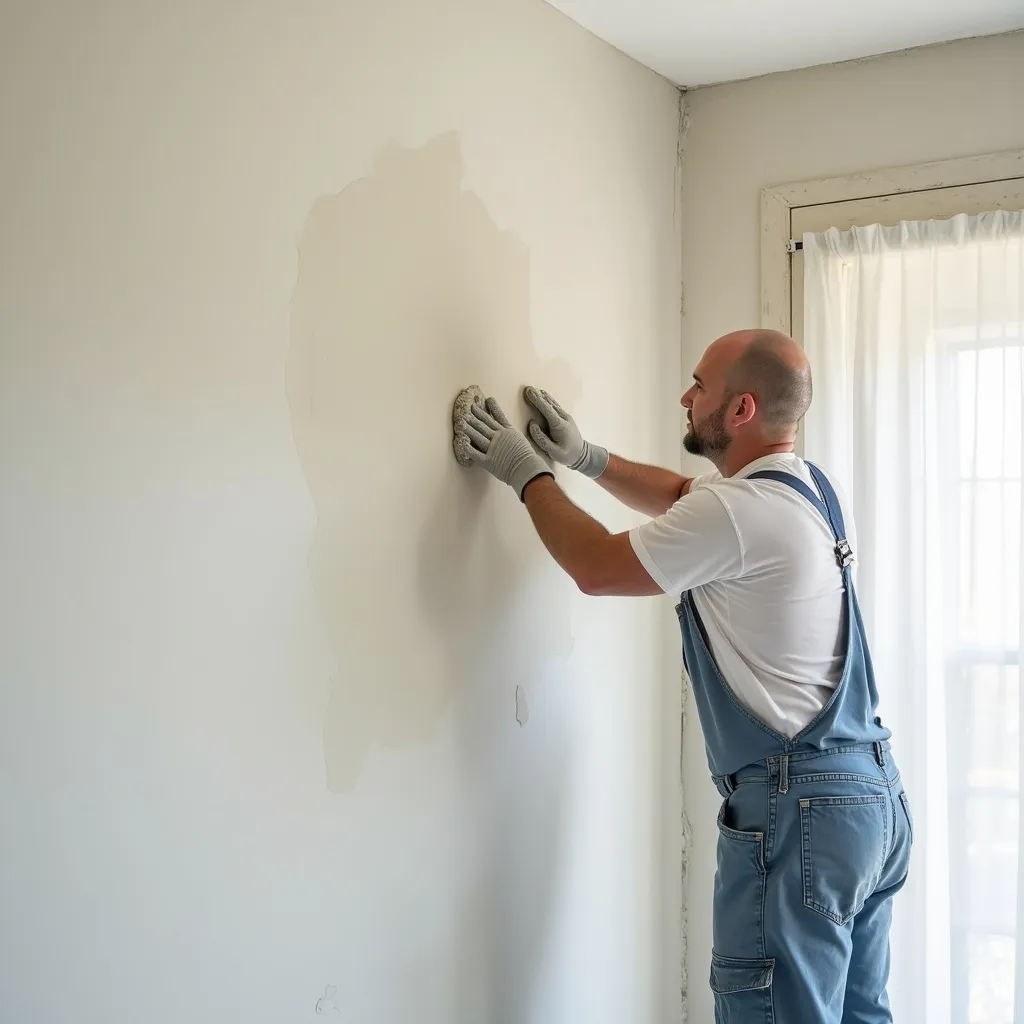
The Vital Gains of Qualified Plastering
Quality plastering work offers numerous rewards that boost the standard of interior spaces. This specialized service strengthens the visual appeal of walls and ceilings, presenting a uniform and sleek finish that is visually impressive. Furthermore, professional plaster work contributes to long-lasting durability, protecting surfaces from wear and tear with the passage of time. The use of high-quality plaster can further promote superior insulation performance, controlling thermal conditions and possibly lowering monthly utility expenses.
Moreover, professional plasterers have check this resource the skills and expertise necessary to identify and address foundational problems, such as water damage or structural defects, before they escalate. This preventative strategy not only guarantees a perfect result but also extends the durability of the work. Furthermore, the use of cutting-edge products and methods assures a high-quality outcome, making spaces more inviting and comfortable. Ultimately, choosing professional plastering solutions lays the foundation for beautifully finished interiors that withstand the test of time.
Traditional Plastering Techniques and Their Functions
Various plaster application methods address different visual and practical needs in interior spaces. One common method is conventional plaster application, which includes applying a base coat followed by a finish coat, creating a smooth surface ideal for painting. Another method is skim coating, where a light coat of plaster is spread over existing walls to refresh their appearance without extensive repairs.
Embossed plastering imparts design appeal and is able to hide surface flaws; approaches like knockdown texture or stucco finish generate unique surfaces perfect for multiple decorative styles. Venetian plaster, a luxury alternative, presents a luxurious, polished finish through layered applications and expert application methods, typically elevating the mood of upscale interiors.
To summarize, drywall plastering is commonly employed for new constructions, offering an efficient way to finish walls and ceilings. Each method serves distinct purposes, allowing homeowners and designers to attain desired visual aesthetics while ensuring durability.
How to Choose the Best Plastering Method for Your Space
Determining the optimal plastering technique necessitates a careful assessment of the wall's condition and the specific functionality of the room. Recognizing these factors helps determining the most suitable materials to apply. By taking into account both the environment and functional requirements, one can make an informed choice that enhances the room.
Assess Your Wall Condition
How does one choose the most ideal plastering technique for their room? Evaluating the wall condition is fundamental in the decision-making process. The first step involves inspecting for cracks, dampness, or uneven surfaces that can impact the plastering approach. For example, walls with substantial damage may require repair before plastering, while smoother surfaces might be suited to a basic skim coat. In addition, identifying the type of wall material—such as drywall or masonry—is crucial for selecting the appropriate plaster. A thorough evaluation assures that the chosen technique not only enhances appearance but also delivers lasting durability. Ultimately, understanding the wall's condition allows informed decisions that result in a flawless finish.
Assess Room Working Capacity
When considering the finest plaster application method for a space, knowing the room's role is vital. Distinct areas of a home perform different purposes, which can shape the plastering approach. For example, high-traffic rooms like hallways may advantage from more sturdy finishes that resist wear, while bedrooms might prioritize aesthetics and smooth textures for added comfort.
Additionally, moisture-prone areas such as bathrooms demand specialized techniques to prevent mold and damage. In contrast, living rooms could highlight decorative plaster finishes to enhance visual appeal. By aligning the plastering technique with the particular purpose of each room, one can achieve not only a flawless finish but also guarantee durability and performance tailored to the environment's needs.
Select Appropriate Components
What options are most ideal for plaster application in a particular space? The choice of plaster materials significantly influences the appearance and durability of the surface. Traditional lime-based plaster is perfect for older buildings, offering flexibility and vapor permeability, which helps avoid moisture buildup. Gypsum plaster, recognized for its rapid drying, is appropriate for modern interiors and delivers a even finish. For high-moisture areas, such as bathrooms, moisture-resistant plaster is recommended to avoid mold growth. Additionally, taking into account the underlying surface is crucial; plaster should bond properly to substances like brick or concrete. Ultimately, choosing the appropriate plastering material enhances both aesthetics and functionality, guaranteeing the interior spaces stay beautiful and durable over time.
Key Indicators That You Should Get Skilled Plastering
When assessing the need for professional plastering, multiple important indicators can indicate underlying issues. Fractures and holes, uneven surface surfaces, and signs of moisture deterioration are critical factors to take into account. Addressing these problems quickly can avoid additional decline and ensure a smooth, visually appealing inside.
Splits And Holes Noticeable
Cracks and holes significantly undermine both the aesthetic appeal and building integrity of interior environments. These imperfections do not just reduce the visual appeal but may also show deeper wall issues. Even small cracks can look trivial, yet they increase over time, leading to additional damage. Holes, whether from nails or other objects, cause vulnerabilities that compromise insulation and energy efficiency. Homeowners should not neglect these warning signs; fixing them promptly with professional plastering services guarantees a flawless finish and avoids more extensive future repairs. Disregarding cracks and holes can cause higher maintenance expenses and a less attractive environment, underlining the necessity of timely intervention to protect the appearance and durability of interior spaces.
Uneven Wall Textures
Uneven walls can severely diminish the aesthetic appeal of a home, indicating the requirement for specialized plastering. Homeowners often observe discrepancies in wall surface, with some spots looking uneven or raised. These defects may be due to incorrect setup, settling of the building, or natural wear. An uneven surface not only affects the appearance but can also hinder the process of paint or wallpaper, leading to an unwanted result. Also, light can cast shadows on uneven walls, further exposing flaws. Engaging professional plastering services guarantees that these surfaces are smoothed out, providing a consistent base for additional layers. A flawless wall contributes to a home’s feel and value, making timely intervention essential.
Water Damage Warnings
Water damage manifests in varied forms, often highlighting the urgent need for skilled plastering services. Homeowners must be alert for specific indicators. Discolorations or color changes on walls and ceilings are key signs, often appearing as yellow or brown patches. Peeling or cracking paint also implies hidden moisture issues, as does mold or mildew presence, which can negatively affect indoor air quality. Moreover, if walls feel damp or emit a musty scent, it could mean hidden water damage. Cracks or peeling plaster can further uncover structural problems caused by moisture seepage. Timely action with specialized plastering services is vital to maintain a safe and pleasant living environment.
What Amount Should You Expect for Plaster Installation?
What sum should one expect to spend in plastering services for indoor areas? The price of plastering varies considerably based on multiple elements, such as the dimensions of the area, the type of material applied, and the difficulty of the job. On average, homeowners can expect paying from $1.50 to $3.50 per square foot for basic plaster application. For more specialized finishes, such as Venetian plaster, expenses may rise to $6 or more per square foot.
Other payments may surface from groundwork, such as restoring existing walls or ceilings. Labor costs also hold an essential position, with skilled plasterers quoting hourly rates that can reach from $25 to $75. Ultimately, requesting multiple quotes from licensed professionals can furnish a clearer picture of the expected investment, ensuring homeowners make prudent choices while allocating resources toward their plastering projects.
Preservation Advice for Your Newly Plastered Interiors
Following an investment in plastering services for interiors, maintaining the newly finished surfaces is necessary for longevity and appearance. Regular dusting with a soft, dry cloth helps prevent dirt accumulation. It's advisable to avoid abrasive cleaners that can damage the surface. Instead, mild soap mixed with water can be used for occasional cleaning.
Moisture levels management is critical; surplus humidity can bring about deterioration or mold. Installing a dehumidifier in damp areas can address this risk. To protect from damage and indentations, explore using floor protectors under heavy items.
Monitor the plaster on an ongoing basis for cracks or chips, addressing any difficulties promptly to prevent further damage. To conclude, implementing a proper sealant can strengthen durability and convenience in cleaning, ensuring the plaster maintains its charm and appeal over time. Observing these protective measures will help preserve the beauty and integrity of newly plastered interiors.
Often Requested Answers and Questions
What Timeframe Can You Anticipate When Plastering a Surface?
Plastering usually demands one to three days to accomplish, based on the area size and the complexity of the work. Curing duration can extend the total timeline, necessitating more time for superior results.
May I apply Plaster Over pre-existing Wallpaper or Paint?
Plastering over current wall finishes is usually discouraged. The surfaces may obstruct effective adhesion, causing cracks or peeling. For finest outcomes, taking off wall coverings before plastering is suggested.
What Choices in Plaster Compounds Are Accessible?
Multiple types of plastering products exist, containing gypsum plaster, lime plaster, cement plaster, and acrylic plaster. Each option offers special features, appropriate for diverse implementations, conditions, and chosen finishes, serving varied design and construction demands.
Is Plastering Appropriate for External Applications?
Plastering can be fitting for exterior projects, notably when employing specialized outdoor plaster products that combat water and temperature variations. These materials increase resistance while offering a protective and aesthetically pleasing finish for various outdoor surfaces.
How Do I Prepare My Room for Plaster Work?
To set up a room for plastering, one should take out furniture, protect floors with drop cloths, prepare walls, mend any damage, and guarantee proper ventilation. Thorough preparation guarantees a smoother application and higher quality final results.
Report this page